Was wir auf einer transkribierten Seite überprüfen
Genauigkeit
Akkorde sollten den Song so genau wie möglich widerspiegeln – im Rahmen eines Arrangements für eine einzelne Gitarre. Falsche Grundtöne, fehlende Vorzeichen und eine falsche Akkordart (Dur vs. Moll, Sus-Akkorde, Septakkorde) fallen Prüfer:innen als Erstes auf.
Timing
Akkordwechsel sollten dort liegen, wo Spieler:innen sie erwarten. Wir prüfen Abschnittsanfänge, Downbeats und Auftaktphrasen, damit das Chart dem Song folgt, statt gegen ihn zu arbeiten.
Spielbarkeit
Voicings müssen für echte Spieler:innen auf einem echten Instrument funktionieren. Wenn eine Griffform ein Kapodaster, einen Daumengriff oder eine Handhaltung erfordert, die den Fluss des Songs stört, markiert die prüfende Person sie und schlägt eine Alternative vor.
Lernwert
Ein technisch korrektes Akkordsheet ist nicht immer ein gutes Akkordsheet für Lernende. Vereinfachte Versionen stehen bei schwierigen Songs direkt neben den Originalakkorden, damit Einsteiger:innen schon am ersten Tag einen einfachen Einstieg haben.
Schritt 1: Auswahl der Songs
Wir vergeben das Abzeichen nicht automatisch für jede Seite. Die Transkriptions-Warteschlange setzt sich aus Songs mit hohem Traffic, beliebten Lernstücken, Songs mit hoher Suchnachfrage und Seiten zusammen, bei denen die Transkriptionsqualität den größten Einfluss auf das Spielerlebnis hat. Dass das Abzeichen ausgewählt vergeben wird, macht seine Aussagekraft aus.
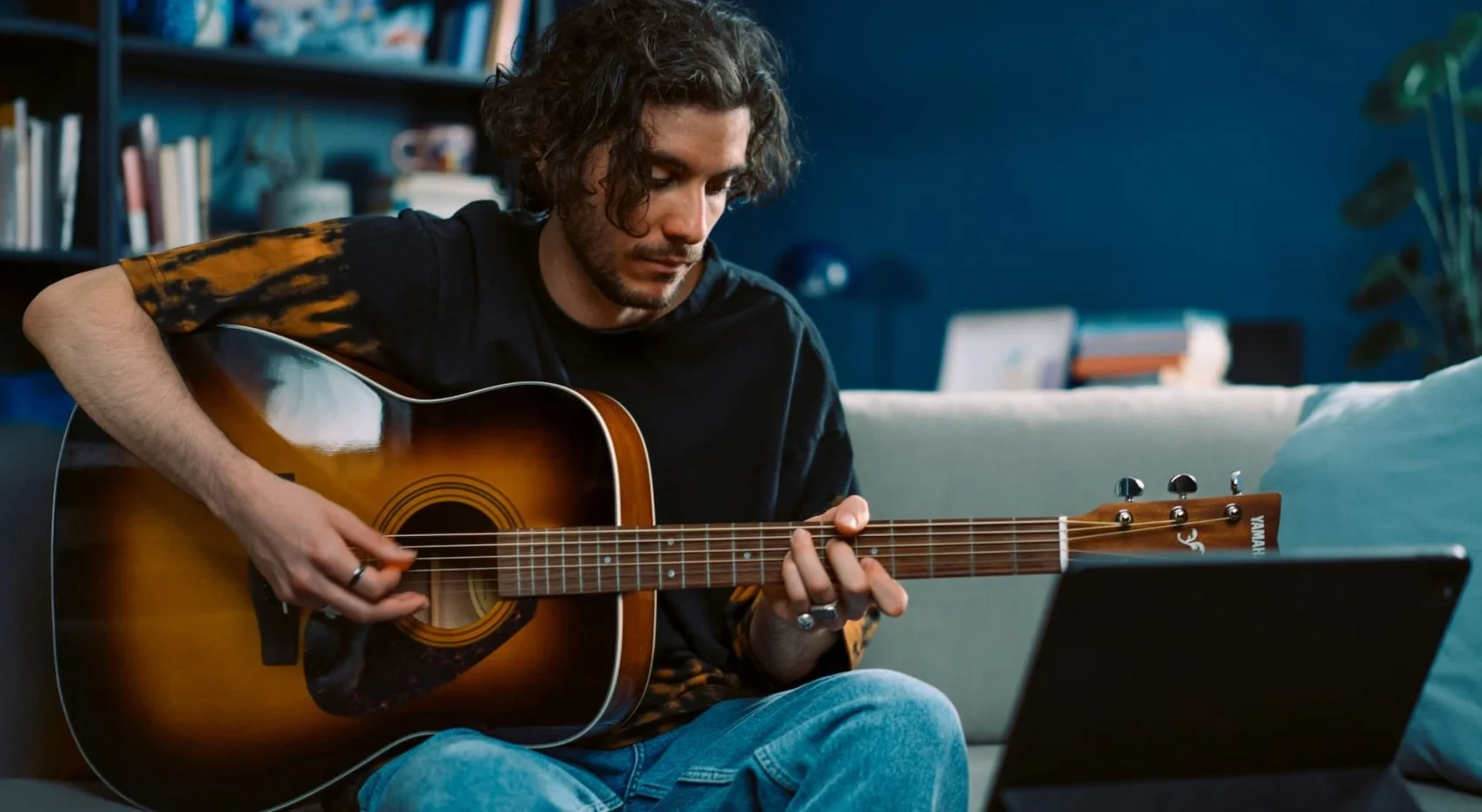
Schritt 2: MIDI-Matching und technische Prüfungen
Bevor Musiker:innen das Akkordsheet öffnen, gleichen wir die vorgeschlagene Transkription mit Referenzmaterial ab. Audioerkennungs- und Signalverarbeitungs-Tools vergleichen das Timing der Akkordwechsel, suchen nach fehlenden Abschnitten und decken harmonische Konflikte auf. Diese Prüfungen ersetzen keine Musiker:innen. Sie geben den Prüfer:innen eine Shortlist von Stellen, auf die sie zuerst schauen sollten – so wird die manuelle Prüfung schneller und zielgerichteter.

Schritt 3: Review durch professionelle Musiker:innen
Unser hauseigenes Content-Team überprüft jeden markierten Abschnitt nach Gehör. Sie gleichen die Aufnahme, interne Referenzen und veröffentlichte Quellen miteinander ab und treffen die endgültige Entscheidung zu jedem Akkord, jeder Änderung und jedem Voicing auf der Seite. Die Prüfer:innen sind Berufsmusiker:innen (Gitarrist:innen, Bassist:innen, Pianist:innen, Musiklehrer:innen) und beurteilen daher nicht nur, ob ein Chart theoretisch korrekt ist, sondern auch, ob es wie der Song klingt.
Schritt 4: Prüfung auf Spielbarkeit und Lernnutzen
Wenn das Chart korrekt ist, spielt die prüfende Person es einmal durch und stellt eine andere Frage: Ist diese Version nützlich? Schwierige Voicings werden ersetzt, wenn eine gleichwertige Griffform sich leichter greifen lässt. Songs, die sich Einsteiger:innen wünschen, bekommen eine vereinfachte Version, die direkt neben dem Original auf derselben Seite steht. Abschnittsüberschriften, Textausrichtung und Akkordplatzierung bekommen einen letzten Durchgang, damit Lernende gleichzeitig scrollen, singen und spielen können.
Schritt 5: Freigabe und Veröffentlichung
Eine transkribierte Seite geht erst dann online, wenn die Inhaltsprüfung freigegeben ist und die Seite selbst unsere üblichen Produkt- und Technik-Checks bestanden hat. Ab diesem Zeitpunkt trägt die Seite das Abzeichen, und der Link im Abzeichen führt Leser:innen auf diese Seite, damit jede und jeder sehen kann, wofür das Abzeichen steht.
Wie Spieler:innen uns helfen, das zu entdecken, was Prüfer:innen übersehen
GuitarTuna hat mehr als 100 Millionen App-Downloads und über eine Million monatliche Besucher:innen im Web. Über die gesamte Yousician-Produktfamilie hinweg sehen wir jeden Monat rund 20 Millionen monatlich aktive Nutzer:innen. Diese Aktivität zeigt uns, bei welchen Songs sich eine genauere Transkription am meisten lohnt, welche Stellen Lernende verwirren und welche Charts einen zweiten Blick verdienen. Meldungen, Korrekturen in der App und wiederkehrende Reibungssignale fließen zurück in die Transkriptions-Warteschlange. Das Abzeichen ist kein einmaliger Stempel. Es bleibt mit der Seite verknüpft, und die Seite kann erneut überprüft werden.
Transkription ist ein fortlaufender Prozess
Musikinhalte werden mit der Zeit besser. Wenn wir ein klareres Voicing, genaueres Timing, einen fehlenden Abschnitt oder ein Einsteiger-Arrangement finden, das besser funktioniert als die Version, die wir ursprünglich veröffentlicht haben, aktualisieren wir die transkribierte Seite. Das Abzeichen kennzeichnet den Prüfumfang des Charts, das du dir heute ansiehst – es ist kein Versprechen, dass sich das Chart nie ändern wird.
Was das Abzeichen nicht bedeutet
Das Abzeichen bedeutet nicht, dass dies die einzige korrekte Art ist, den Song zu spielen. Viele Songs lassen sich in mehr als einem gültigen Arrangement spielen – in unterschiedlichen Stimmungen, auf verschiedenen Instrumenten oder mit den Voicings, die eine bestimmte Live-Version verwendet. Das Abzeichen bedeutet auch nicht, dass jede Seite auf guitartuna.com denselben Review-Prozess durchlaufen hat. Es wird gezielt auf die Seiten angewendet, bei denen der zusätzliche Aufwand den größten Unterschied für Spieler:innen macht.
Entwickelt vom Team hinter GuitarTuna und Yousician
GuitarTuna wird von demselben Team entwickelt, das auch Yousician baut – die Lernplattform für Musik, die es seit 2010 gibt. Wir sind rund 100 Menschen in Helsinki und Berlin: Musiker:innen, Softwareentwickler:innen, Audioforscher:innen, Designer:innen, Content-Kurator:innen und Musikpädagog:innen. Im Transkriptionsprozess fließt die Expertise des gesamten Teams ein, sodass eine transkribierte Seite das Ergebnis aus musikalischem Urteil, Audiotechnologie und Lerndesign ist, die zusammenwirken. Mehr über das Team kannst du auf der „Über uns“-Seite lesen.
Etwas entdeckt, das falsch klingt?
Sag uns Bescheid. Meldungen von echten Spieler:innen zeigen uns, welche Akkordseiten einen weiteren Durchgang brauchen. Am hilfreichsten sind Meldungen, die den Song, den Abschnitt (Intro, Strophe, Refrain, Bridge), den Akkord, den du für falsch hältst, und das nennen, was du stattdessen spielen würdest. Sogar ein kurzer Einzeiler hilft der prüfenden Person, das Problem schneller zu finden.
Ein Problem auf einer Akkordseite meldenHäufig gestellte Fragen
Was bedeutet „Transcribed by real musicians“?
Es bedeutet, dass die Akkord- oder Tab-Seite vom Content-Team von GuitarTuna transkribiert und überprüft wurde – einschließlich einer Kontrolle von Genauigkeit, Timing, Voicings und Spielbarkeit, zusätzlich zum Standardprozess für den Katalog.
Tragen alle Akkord- und Tab-Seiten in GuitarTuna das Abzeichen?
Nein. Wir vergeben das Abzeichen gezielt für Seiten mit hohem Traffic und großer Wirkung. Dass das Abzeichen aussagekräftig bleibt, ist wichtiger, als es auf jede Seite im Katalog zu setzen.
Wer transkribiert und überprüft diese Akkorde und Tabs?
Das hauseigene Content-Team von GuitarTuna. Die Prüfer:innen sind Berufsmusiker:innen: Gitarrist:innen, Bassist:innen, Pianist:innen und Musiklehrer:innen mit Sitz in Helsinki und Berlin. Sie treffen die endgültige Entscheidung über jeden Akkord auf einer transkribierten Seite.
Ersetzt das MIDI-Matching die menschliche Überprüfung?
Nein. MIDI-Matching und Audioanalyse markieren die Teile eines Charts, die verdächtig aussehen, damit sich die Prüfer:innen darauf konzentrieren können. Die Musiker:innen treffen jedoch weiterhin jede endgültige Entscheidung darüber, was auf der Seite veröffentlicht wird.
Kann sich eine transkribierte Seite nach der Veröffentlichung noch ändern?
Ja. Wenn wir ein besseres Voicing, ein genaueres Timing oder eine Einsteigerversion finden, die besser funktioniert als die veröffentlichte, aktualisieren wir die Seite. Das Abzeichen spiegelt den Review der aktuellen Version wider – es ist kein Versprechen, dass das Chart sich nie weiter verbessert.
Wie melde ich einen Akkord, von dem ich denke, dass er falsch ist?
Nutze die Meldefunktion auf der Akkordseite. Am hilfreichsten sind Meldungen, die den Song, den Abschnitt, den Akkord, den du für falsch hältst, und den Akkord nennen, den du stattdessen spielen würdest. Meldungen gehen direkt an das Content-Team und fließen zurück in die Transkriptions-Warteschlange.